
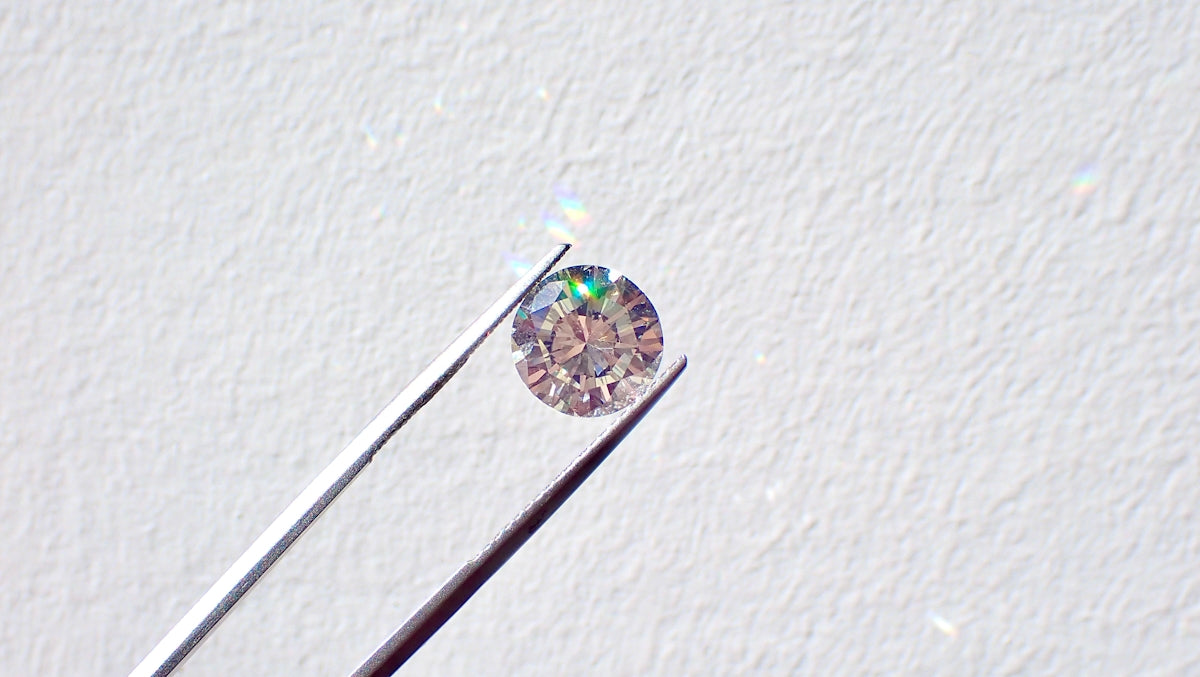
Gemstones have captivated the human imagination for centuries, serving not only as ornamental marvels but also as symbols of power and status. The art of gemstone cutting, known as lapidary, has evolved dramatically over time, embracing new technologies and artistic sensibilities. Let's delve into the fascinating progression of gemstone cutting techniques, and discover how they've influenced the exquisite pieces we admire today.
The Beginnings of Lapidary
In ancient times, gemstones were valued in their natural, uncut forms. As cultures advanced, so did their techniques for enhancing the beauty of these natural wonders. The earliest forms of gemstone cutting date back to the Bronze Age, where basic abrasion techniques were employed to shape and polish stones.
Around the 14th century, Italian artisans revolutionized the field with the creation of the "faceting" technique. This involved cutting small, flat surfaces on stones to enhance their sparkle and brilliance—a practice that laid the groundwork for modern gemstone cutting.
The Rise of Precision
The Renaissance period brought significant advancements in gemstone cutting. With the invention of mechanized cutting devices, jewelers achieved unprecedented precision, giving rise to cuts such as the cabochon—a smooth, convex shape—and the brilliant cut, which maximizes a stone's refractive qualities.
Fast forward to today, and gemstone cutting is a highly scientific and artistic process. Modern technology, including computer-aided design and laser cutting, allows for creations that our ancestors could only dream of.
Iconic Modern Techniques

Today, gemstone cutting is as much about innovation as it is about tradition. Take for example the classic faceted cuts that adorn rings like the London Blue Topaz Ring - Alchemia, celebrated for their vivid color and meticulous craftsmanship.
Another impressive evolution is seen in pieces like the Mexican Fire Opal Gemstone Rings - Alchemia, showcasing fiery opals with cuts that magnify their unique play-of-color, making each piece a dynamic spectacle.
For those who admire celestial-inspired designs, the Abalone Moon & Gemstone Bypass Ring combines the beauty of abalone with a thoughtfully designed bypass setting, reflecting the continued innovation in both design and technique.
Inspirations from Nature

Nature's impact on modern gemstone art is undeniable, as seen in the Labradorite Dangles - Solid Sterling Silver, where the mesmerizing play of colors in labradorite is captured through skillful cutting, reminiscent of the aurora borealis.
Similarly, the Blue Agate Gemstone Ring - Solid Sterling Silver echoes the tranquil blues of our planet's waters, providing a glimpse into the diverse inspirations driving today's artisans.
Conclusion
The evolution of gemstone cutting is a testament to human ingenuity and artistic evolution. From the rudimentary techniques of ancient times to the sophisticated methods of today, each step of this journey has contributed to the dazzling artistry found in contemporary jewelry.
To explore these exceptional creations and more, visit Nub Jewels and indulge in the timeless allure of expertly cut gemstones.